December 16, 2025
Bernheim-Jeune
The Dealers who shaped Art History Vol. 2
-
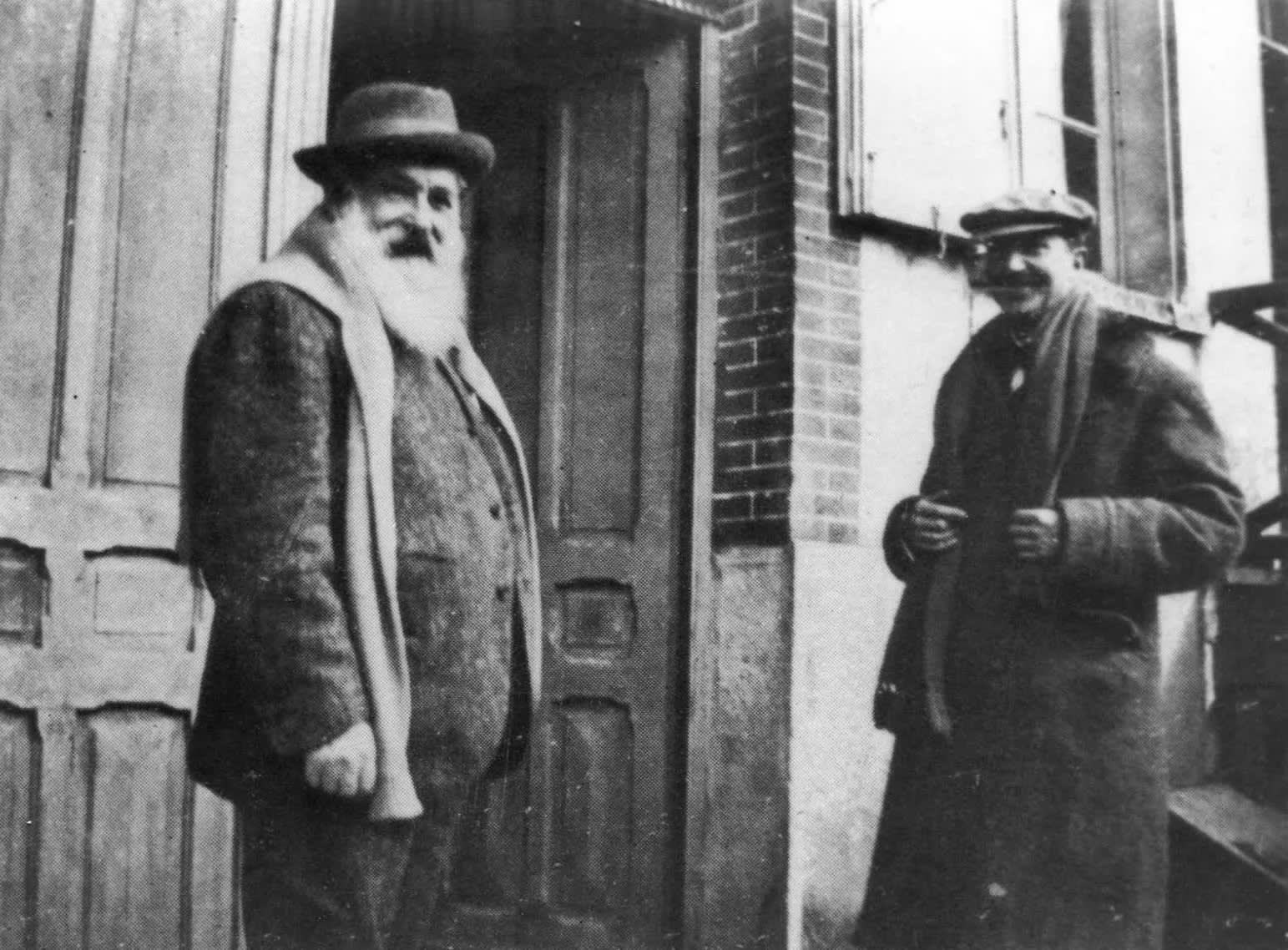
 Claude Monet and Gaston Bernheim de Villiers
 -
At Ward Moretti, we believe that art history isn’t just written by artists and collectors, but also by the dealers who connected and supported them. These figures did more than sell paintings; they steered taste, built markets, and helped form the institutions we now revere.
Much of our work involves sifting through archives to uncover the histories of the paintings we handle, and we often rely on the detailed (and sometimes colourful) records left by dealers. This series celebrates their significance, each instalment focusing on one dealer who helped shape the story of art.
Today, we turn to Bernheim-Jeune, one of the most influential galleries in the development of Impressionism, Post-Impressionism, Fauvism, and early Modern art.
-
A Dynasty of Taste
Few names in the art market carry as much weight or as long a history as Bernheim-Jeune. Founded in 1863 by Alexandre Bernheim, the gallery was taken forward by his sons, Josse and Gaston Bernheim de Villers, who transformed the business into one of the central engines of modern French art.
If Vollard was the daring outsider and Durand-Ruel the champion of Impressionism, Bernheim-Jeune occupied a unique position: a stable, respected family gallery capable of institutionalising the avant-garde.
They were among the first to promote Corot, Courbet, and the early Impressionists, and by the turn of the century they had become major supporters of Vuillard, Bonnard, and the Nabi movement. Their Rue du Faubourg Saint-Honoré gallery was known for its refined exhibitions, scholarly catalogues, and a network of collectors who trusted the Bernheim name implicitly.
-
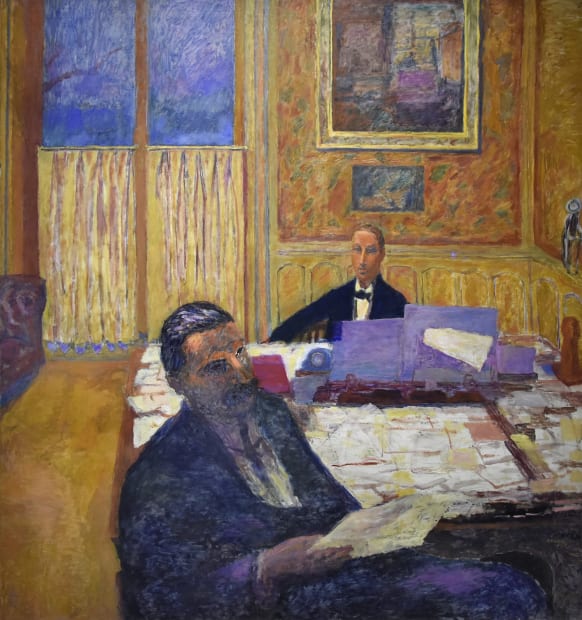
Pierre Bonnard, Les Frères Bernheim, 1920, oil on canvas,
166 x 155.5cm., Musée d’Orsay, Paris
-
The Bernheims also published critical writings and artist monographs, helping to bridge the gap between avant-garde art and the public. Their exhibitions were known for their atmosphere of quiet scholarship — a stark contrast to the more theatrical Vollard or the comparatively austere Kahnweiler.
-
Bernheim-Jeune at the corner of Avenue Matignon and Rue du Faubourg Saint-Honoré in 1925. It was the first gallery to settle down in Avenue Matignon.
-
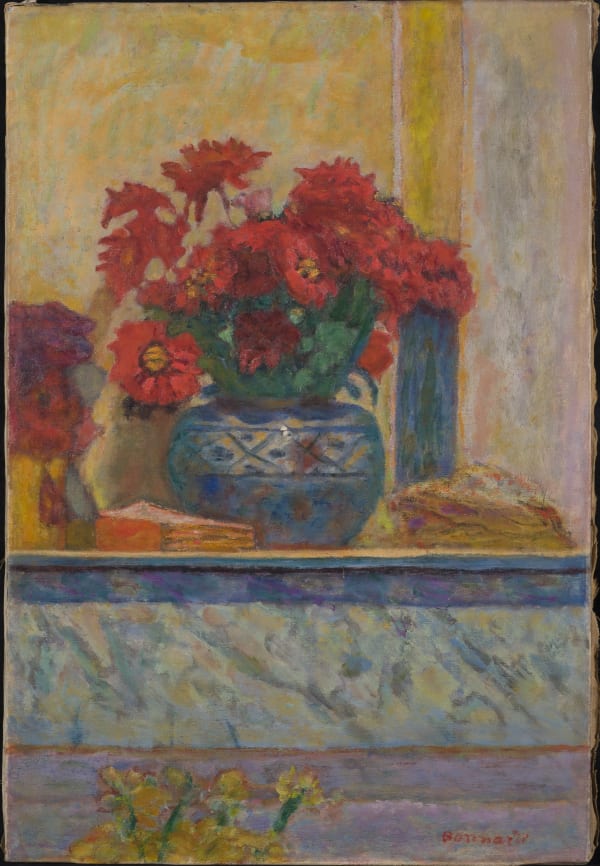
Although more discreet than some of their contemporaries, the Bernheims were not without memorable stories. A favourite involves Pierre Bonnard, who was notoriously hesitant to consider a painting finished. After delivering a work to the gallery, he would often return unannounced, paintbrush hidden in his coat, to “touch up” a canvas already hanging in the showroom.
According to family accounts, Josse Bernheim took to keeping a careful eye on the entrances during vernissages, lest Bonnard quietly repaint half the exhibition.
-
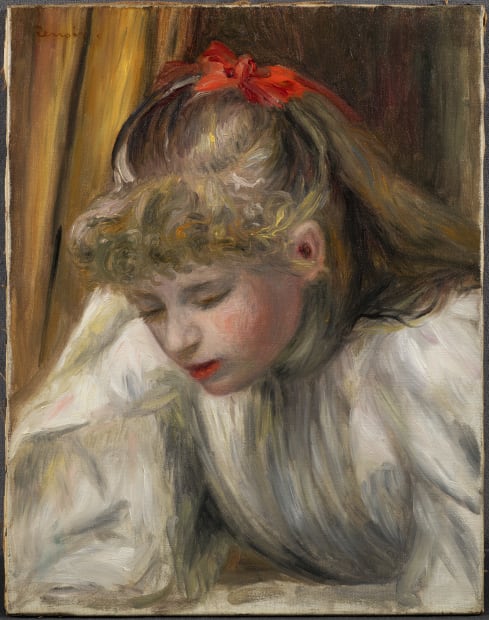
Pierre-Auguste Renoir, Jeune fille lisant, c. 1890, oil on canvas, 41 x 32.4 cm.,
sold by Bernheim-Jeune.
For sale with Ward Moretti.